
Press review.
Essential hydrogen industry articles, curated weekly from specialized press. Each source is credited and linked.
Google Confirms $17 Billion Wyoming Data Centre Investment With 702MW Bloom Fuel Cells and Carbon Capture
Google is investing $17 billion in a new data centre in Wyoming powered by 702 MW of Bloom fuel cells. The project incorporates carbon capture technology to minimize its environmental footprint.
German Researchers Run Converted Diesel Engine on Waste-Derived Hydrogen-Rich Gas at Just 40% H₂
German researchers have demonstrated the operation of a modified diesel engine powered by hydrogen-rich gas derived from waste, with a hydrogen concentration of just 40%. This advancement suggests a promising pathway for waste valorization while developing more sustainable energy solutions.
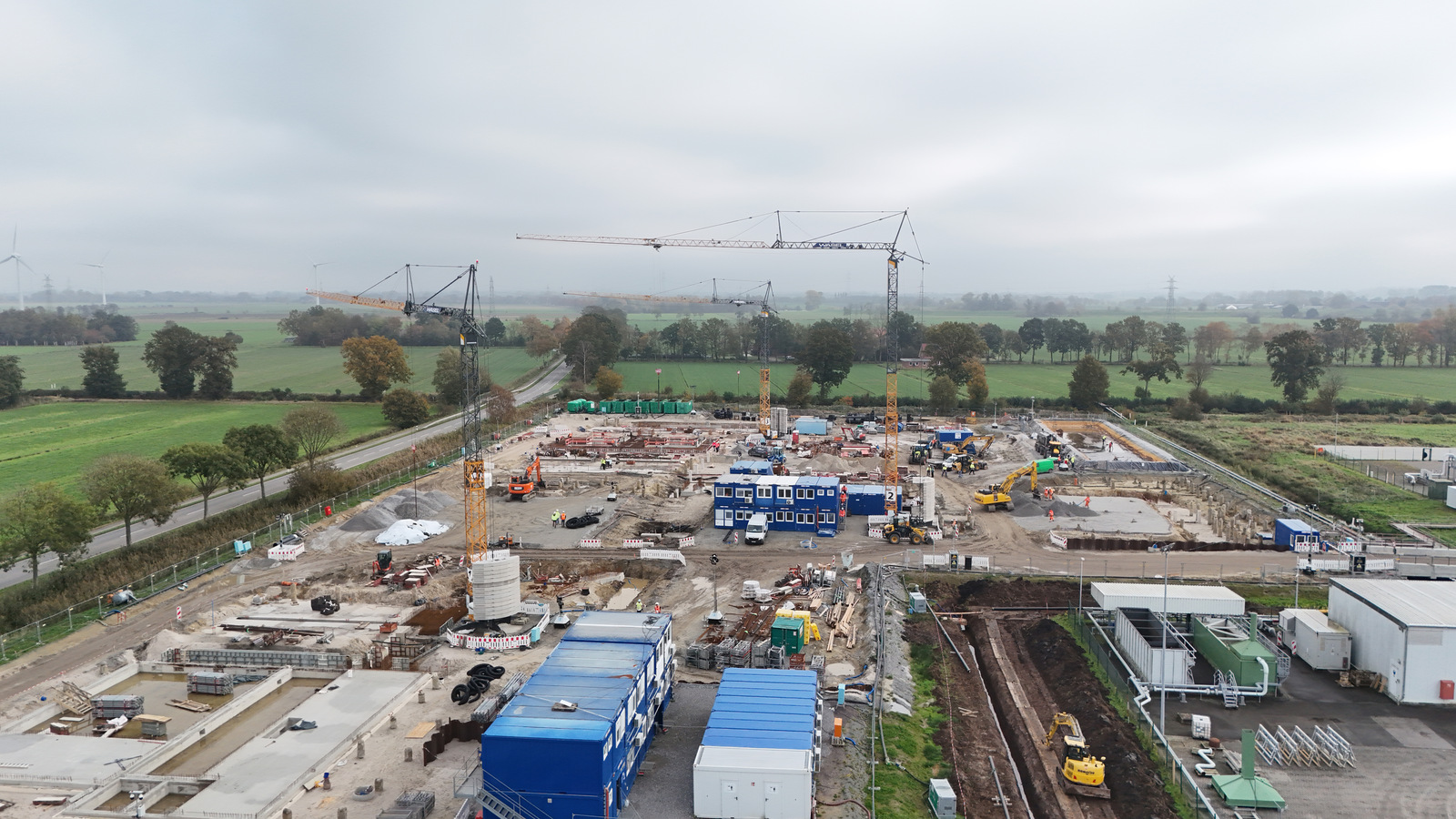
EWE passes hydrogen tightness test at Huntorf cavern
EWE has successfully completed tightness tests on a repurposed natural gas cavern at its Huntorf site in Northwest Germany, initially using nitrogen and then hydrogen. The facility is expected to store approximately 16 million standard cubic metres of hydrogen starting in 2028.
South Korea Increases Non-Price Weight to 50% in Hydrogen Auctions
South Korea has increased the weighting of non-price criteria to 50% in its hydrogen project procurement auctions to prioritize factors such as technological innovation and environmental sustainability beyond cost alone. This change reflects the South Korean government's commitment to promoting the development of a competitive and responsible hydrogen industry.
South Korea raises non-price weighting in clean hydrogen tenders to 50%
South Korea has increased the weighting of non-price criteria to 50% in its clean hydrogen tenders, shifting how contracts are awarded. This measure aims to prioritize quality, technology, and viability factors alongside price considerations.
H2 turbines can push LCOHS to around $0.62/kg
Australian researchers have demonstrated that hydrogen gas turbines could provide a more cost-effective backup power solution than fuel cells during periods of low solar availability. The study highlights how reservoir properties and system design impact the cost and performance of underground hydrogen storage.
Gemini Replaces Heimdal in Germany's Window of the European Hydrogen Bank
The Gemini project has replaced the Heimdal project within Germany's window of the European Hydrogen Bank. This substitution reflects changes in the allocation of European financial support for green hydrogen initiatives in Germany.
Gemini Replaces Heimdal in the German Window of the European Hydrogen Bank
The Gemini project has been selected to replace the Heimdal project in the German funding programme of the European Hydrogen Bank. This decision reflects the European Union's strategic priorities for developing green hydrogen production.
Denmark reaches major green hydrogen milestone as German agreements advance pipeline
Denmark achieves a significant milestone in green hydrogen development while new agreements with Germany strengthen hydrogen transport infrastructure projects between the two nations.
Tokyo tests solar-powered hydrogen production at high-rise office complex
Three Japanese companies are deploying a solar-powered hydrogen production and storage system at a commercial complex in Tokyo. The project combines rooftop photovoltaics, battery storage, hydrogen-absorbing alloys and fuel cells to supply electricity to parts of the building.
Estonia Selects Planner for Nordic-Baltic Hydrogen Corridor Route
Estonia has selected a planner to design the route for the Nordic-Baltic hydrogen corridor. This project aims to develop strategic hydrogen transport infrastructure connecting the Nordic and Baltic regions.
Xpan Selected by California Transit Training Consortium to Develop Statewide Fuel Cell Electric Bus Training Program
Xpan has been selected by the California Transit Training Consortium to develop a comprehensive training program for fuel cell electric buses aimed at transit operators and technicians throughout California. The program is designed to prepare public transit agencies for the increasing adoption of fuel cell technology in their fleet operations.